Archives
- 2026-09
- 2026-08
- 2026-07
- 2026-06
- 2026-05
- 2026-04
- 2026-03
- 2026-02
- 2026-01
- 2025-12
- 2025-11
- 2025-10
- 2025-09
- 2025-03
- 2025-02
- 2025-01
- 2024-12
- 2024-11
- 2024-10
- 2024-09
- 2024-08
- 2024-07
- 2024-06
- 2024-05
- 2024-04
- 2024-03
- 2024-02
- 2024-01
- 2023-12
- 2023-11
- 2023-10
- 2023-09
- 2023-08
- 2023-07
- 2023-06
- 2023-05
- 2023-04
- 2023-03
- 2023-02
- 2023-01
- 2022-12
- 2022-11
- 2022-10
- 2022-09
- 2022-08
- 2022-07
- 2022-06
- 2022-05
- 2022-04
- 2022-03
- 2022-02
- 2022-01
-
Several lines of evidences suggest that the biological
2022-05-23
Several lines of evidences suggest that the biological features of PCs are different from other CLL/SLL SJ 172550 in the lymph node: the tumor cells in the PCs have been shown to accumulate cytogenetic abnormalities [1, 4] and aberrant expression of oncogene and tumorsuppressor microRNAs (miRs) [5,
-
Within a live organism cells need to transfer
2022-05-23
Within a live organism, cells need to transfer information to each other. Exocytosis is one of the critical mechanism which releases variety of ligands into the extracellular space. When cells export material via exocytosis, they first pack into vesicles, then cause the vesicles to tether at the pla
-
Additionally to their peripheral effects
2022-05-23
Additionally to their peripheral effects, evidence indicate a role for ETs in the central nervous system (Mosqueda-Garcı́a et al., 1993). Indeed, using Northern blot analysis and in situ hybridization it has been shown the presence of immunoreactive ET of non-vascular origin and of neuronal location
-
DIS used standard methods for locating and contacting person
2022-05-23
DIS used standard methods for locating and contacting persons for interview, including the use of phone calls, letters, in person contact, and contact through social media. During this time period, contacts of persons with diagnosed HIV (first-generation contacts) were tested for HIV and, regardless
-
There were hub genes identified
2022-05-23
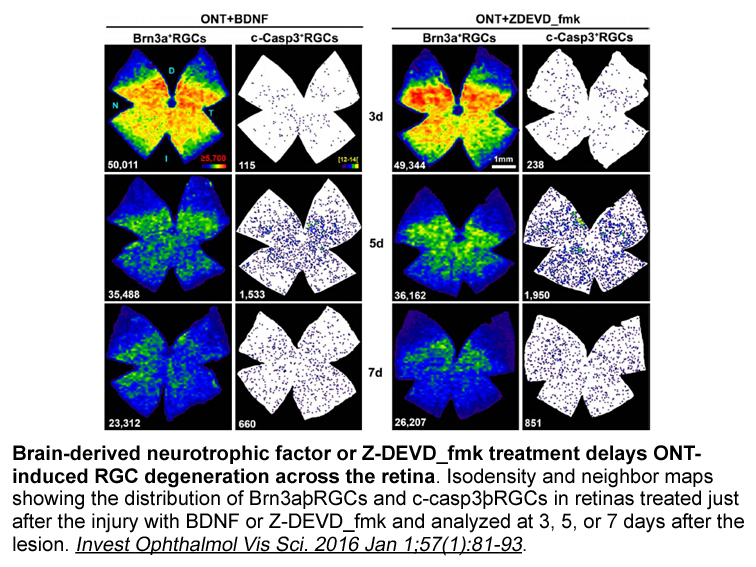
There were 11 hub genes identified by WGCNA among which KIBRA was the hub gene of the black module. The bioinformatics method is an effective and powerful tool to analyze mRNA Apocynin profiles and the related pathways. For instance, the lung cancer risk modules that were closely related to lung ca
-
br Conclusion br Author contributions br
2022-05-23

Conclusion Author contributions Acknowledgements We thank Trovafloxacin mesylate USC Center for Craniofacial Molecular Biology (CCMB) for their extensive guidance and teaching in biochemical techniques. We acknowledge Laurel Fisher, PhD for her contribution to statistical analysis of the da
-
HDAC enzymes oppose the effects of HATs by reversing
2022-05-23
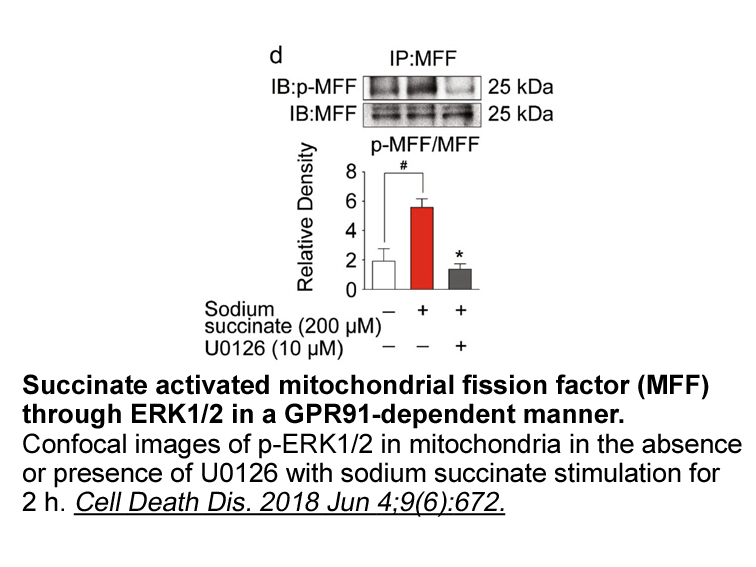
HDAC enzymes oppose the effects of HATs by reversing lysine acetylation, an action that restores the positive charge of the lysine thus stabilizing the local chromatin structure. By removing acetyl groups from ε-amino lysines of proteins, HDACs not only alter transcription, but also promote either t
-
Author contribution br Funding This work was supported by fu
2022-05-23
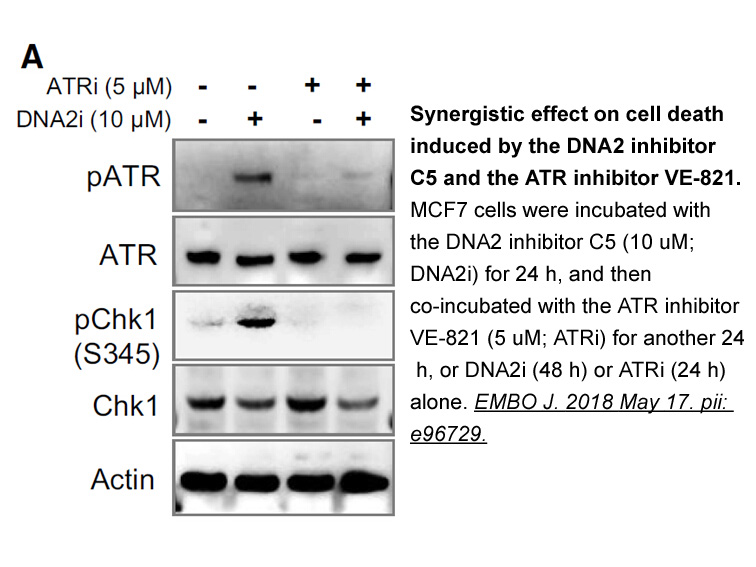
Author contribution Funding This work was supported by funding from St Vincent’s AMR. Hologic provided Panther equipment and Aptima HCV Quant Dx Viral Load assays. The sponsors had no rule in the analysis and interpretation of the study results, the manufacturer of reagents used in this study d
-
It has been reported that expression of murine
2022-05-23

It has been reported that expression of murine haspin is found only in post-meiotic spermatids and that overexpression of murine haspin in HEK-293 cells leads to reduced cell proliferation. Therefore, it was suggested that haspin functions to bring about ldk378 arrest in haploid germ cells (Tanaka
-
Whereas Sororin is dispensable in the absence of Wapl overex
2022-05-23
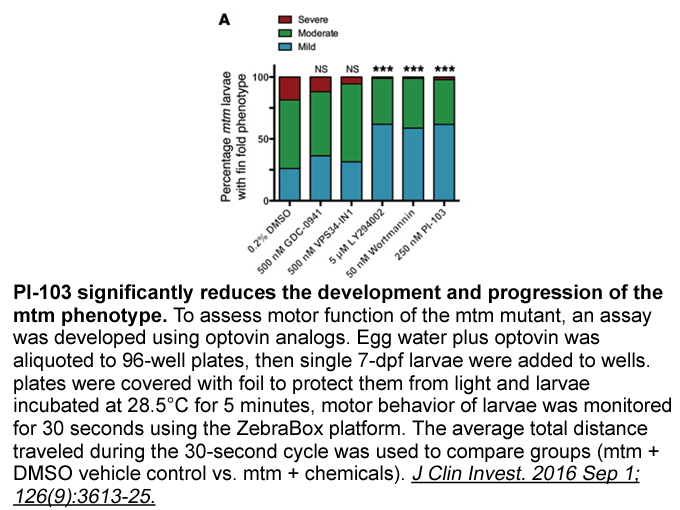
Whereas Sororin is dispensable in the absence of Wapl [14], overexpressed Haspin only partly supports cohesion in Sororin-depleted cells. Thus, although Haspin and Sororin have functional similarities, they are not fully redundant at the centromere. Haspin may have a mitosis-specific role in mainta
-
GPR A a G protein coupled receptor
2022-05-21
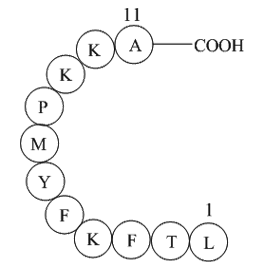
GPR109A, a G-protein-coupled receptor located mainly on adipocyte cell membranes, has been identified as the molecular target for nicotinic Cyanine 5-dUTP [[5], [6], [7]] and mediator of NEFA reduction [5]. As a mechanism of NEFA-lowering, it is recognized that activation of GPR109A leads to Gi-med
-
Our results on the association of selenium deficiency and
2022-05-21
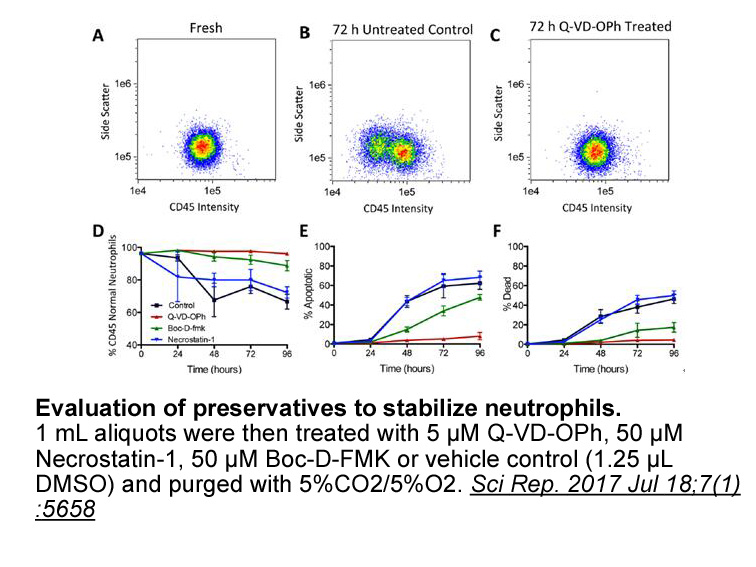
Our results on the association of selenium deficiency and vitamin A deficiency being associated with greater CD4 recovery during treatment were surprising. As we had hypothesized a relationship in the opposite direction (deficiency being associated with lower CD4 recovery), we can only reflect on po
-
The DNA cleavage activity assay in the present study
2022-05-21
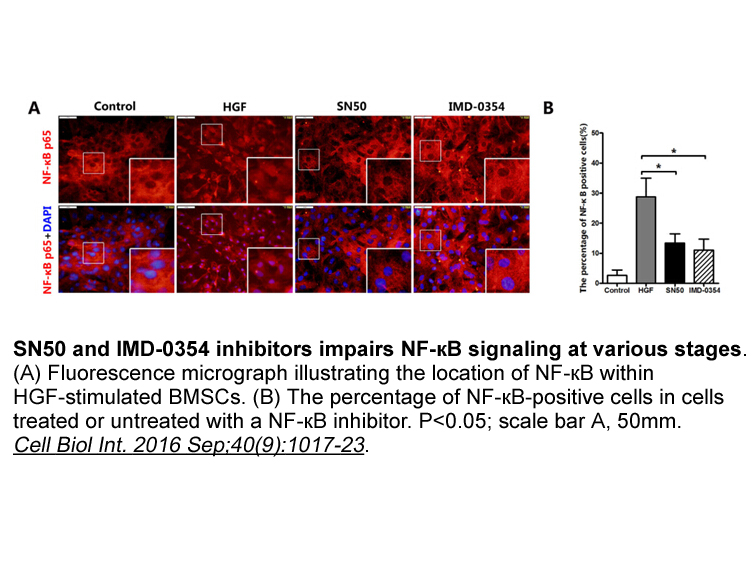
The DNA cleavage activity assay in the present study also demonstrated the DNA glycosylase activities of SMUG1, NEIL1, TDG, and NTHL1 for 5OHU paired with A. While our findings on the activities of SMUG1 and NEIL1 were consistent with the results reported from previous studies [25], [50], the activi
-
We were able to obtain
2022-05-21
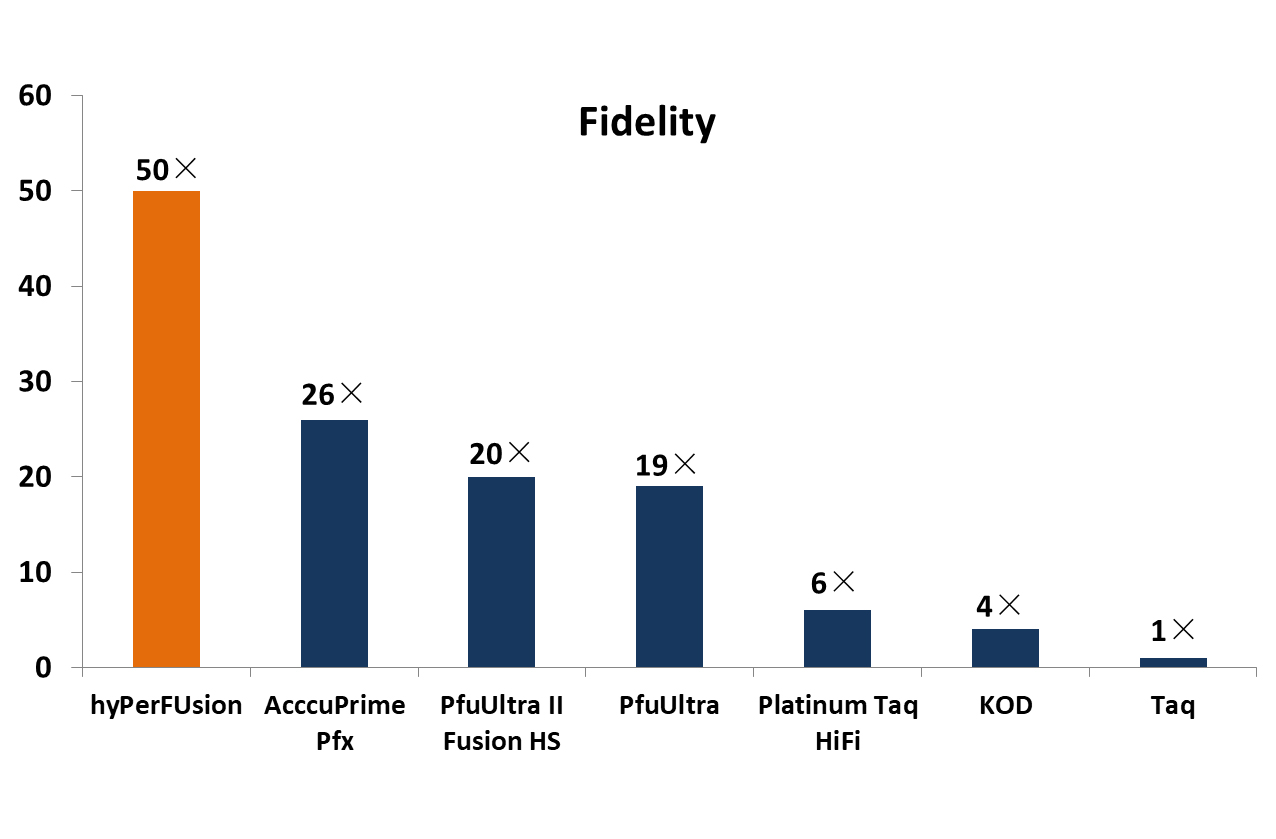
We were able to obtain several crystalline forms of CHAV Gth. The first one corresponded to the post-fusion conformation [14]. The comparison of this structure with that of VSV-Gth post-fusion conformation revealed that the PHD is the most divergent domain, with the largest differences confined to t
-
br STAR Methods br Introduction Glycosylation is one
2022-05-21
STAR★Methods Introduction Glycosylation is one of the most prevalent post-translational modifications of proteins. It not only plays major roles in folding, transport and localization of proteins [1], but also regulates various biological processes such as cell growth, viral replication and im
8474 records 484/565 page Previous Next First page 上5页 481482483484485 下5页 Last page