Archives
- 2026-07
- 2026-06
- 2026-05
- 2026-04
- 2026-03
- 2026-02
- 2026-01
- 2025-12
- 2025-11
- 2025-10
- 2025-09
- 2025-03
- 2025-02
- 2025-01
- 2024-12
- 2024-11
- 2024-10
- 2024-09
- 2024-08
- 2024-07
- 2024-06
- 2024-05
- 2024-04
- 2024-03
- 2024-02
- 2024-01
- 2023-12
- 2023-11
- 2023-10
- 2023-09
- 2023-08
- 2023-07
- 2023-06
- 2023-05
- 2023-04
- 2023-03
- 2023-02
- 2023-01
- 2022-12
- 2022-11
- 2022-10
- 2022-09
- 2022-08
- 2022-07
- 2022-06
- 2022-05
- 2022-04
- 2022-03
- 2022-02
- 2022-01
- 2021-12
- 2021-11
- 2021-10
- 2021-09
- 2021-08
- 2021-07
- 2021-06
- 2021-05
- 2021-04
- 2021-03
- 2021-02
- 2021-01
- 2020-12
- 2020-11
- 2020-10
- 2020-09
- 2020-08
- 2020-07
- 2020-06
- 2020-05
- 2020-04
- 2020-03
- 2020-02
- 2020-01
- 2019-12
- 2019-11
- 2019-10
- 2019-09
- 2019-08
- 2019-07
- 2019-06
- 2019-05
- 2019-04
- 2018-07
-
br Introduction The coronary vasculature
2021-12-07
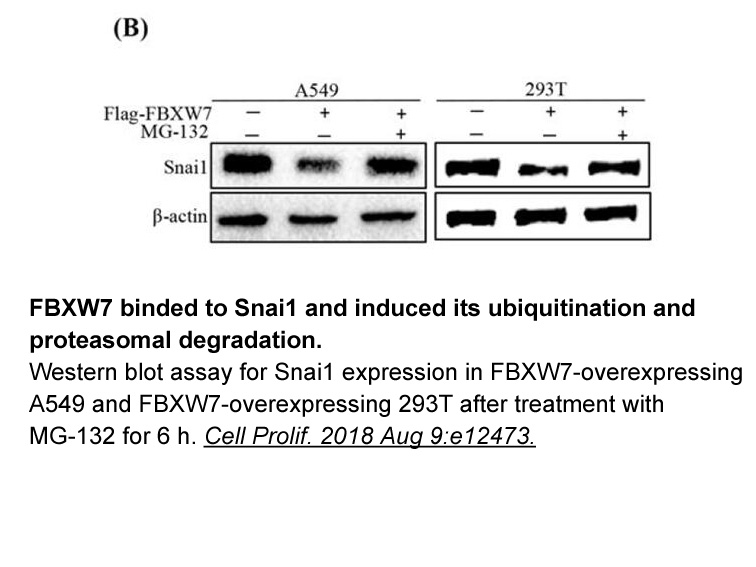
Introduction The coronary vasculature is required for supplying oxygenated blood to the cardiac muscle. Proper coronary blood circulation is essential for embryonic and adult cardiac tissue homeostasis. Defects associated with the coronary function leads to myocardial ischemia, infarction, and he
-
br Conflicts of interest br Significance
2021-12-07

Conflicts of interest Significance p53 is required for the induction of cell senescence to limit the proliferation of polyploid cells. We found that Hippo signal deficiency or Yap activation in mouse livers result in polyploid formation and polyploid cell growth. The combined loss of Hippo sig
-
Several studies have found decreased astroglial and
2021-12-07
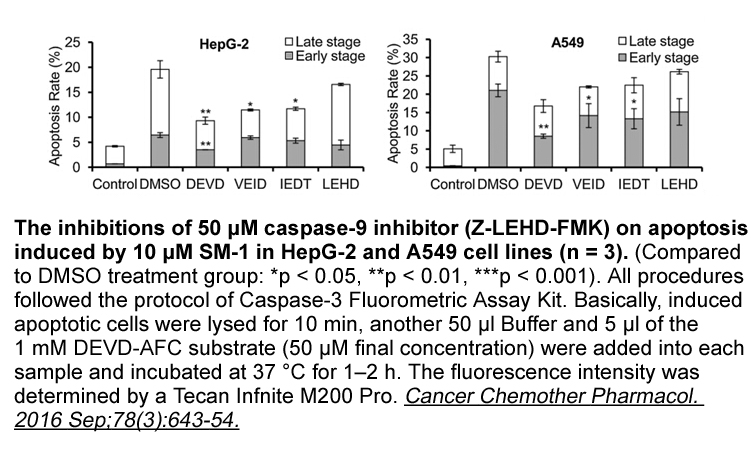
Several studies have found decreased astroglial and neuronal cell numbers and NPI-0052 damage after OP exposure. Neuronal loss and brain lesions increase proportionally to the severity and duration of OP-induced seizures (Albuquerque et al., 2006, Carpentier et al., 2000, Gullapalli et al., 2010, My
-
Fig demonstrates placental amino acid transporter protein co
2021-12-07
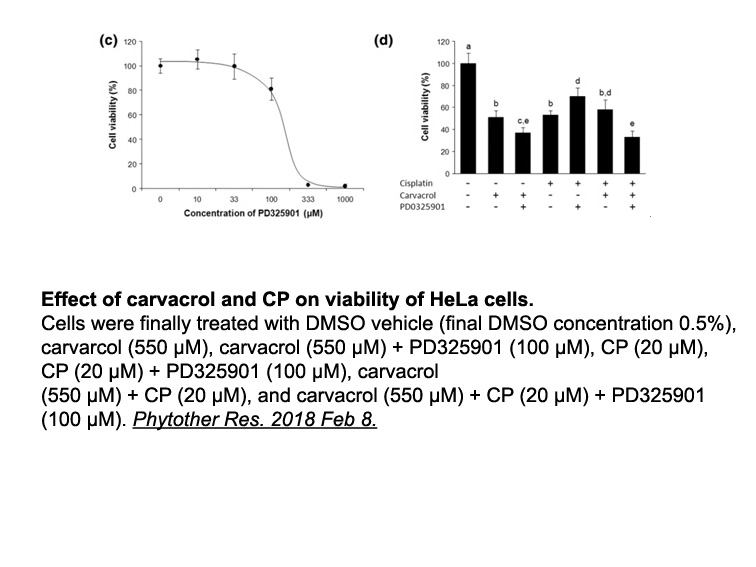
Fig. 7 demonstrates placental amino Sodium Phenylbutyrate mg transporter protein concentrations. While no change in the placental SNAT2 is effected in response to a high-fat diet in wt, a trend toward a reduction was seen in glut3 mice in response to a high-fat vs. chow diet (Fig. 7A and B). A high
-
Recent studies suggest that the
2021-12-07
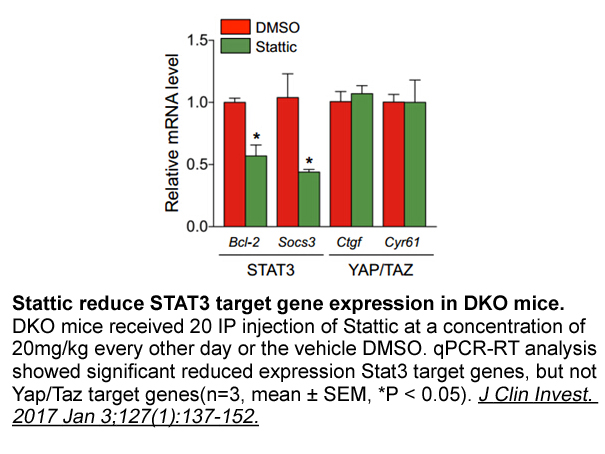
Recent studies suggest that the biological importance of endogenous ghrelin becomes accentuated during exposure to more metabolically-constrained and stressful environments. Indeed, mice lacking either ghrelin or GHSR demonstrate impaired ability to adapt metabolically and/or behaviorally to caloric
-
RK-33 mg The novel Ghsr IRES Cre knock in mouse line allowed
2021-12-07
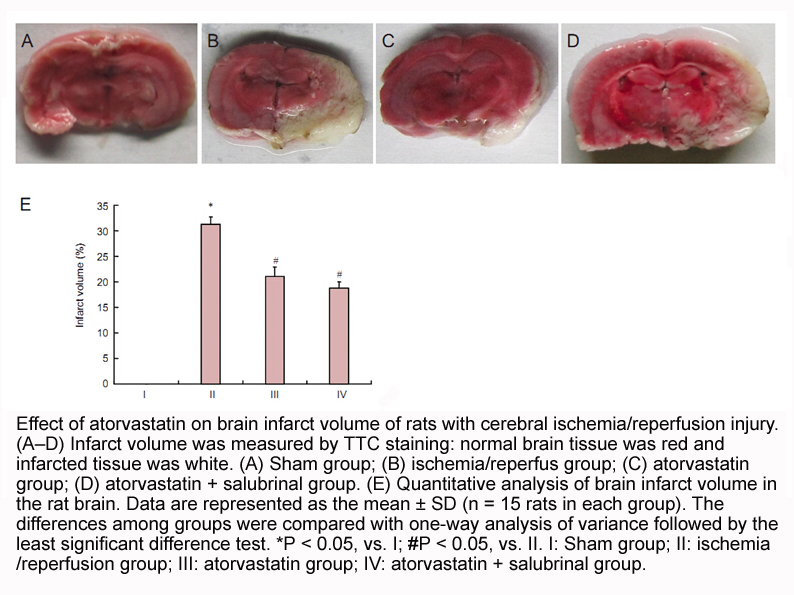
The novel Ghsr-IRES-Cre knock-in mouse line allowed us to deconstruct the involvement of MBH GHSR-expressing neurons in mediating food intake responses using chemogenetic modulation of their neuronal activity. In our studies, hM4Di DREADD virus injections to inhibit GHSR neurons targeted several nuc
-
Following optimization chemicals which were considered as th
2021-12-06
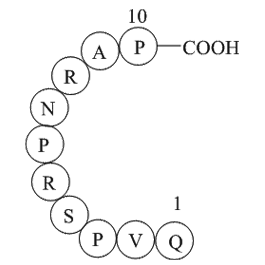
Following optimization, 31 chemicals, which were considered as the skin sensitizers and non-sensitizers in LLNA studies, were studied for their potential of β-galactosidase suppression (Table 2). The detailed information on test chemicals used were given in Table 1. With optimum cell densities, E. c
-
Natural products are a diverse and interesting source for
2021-12-06
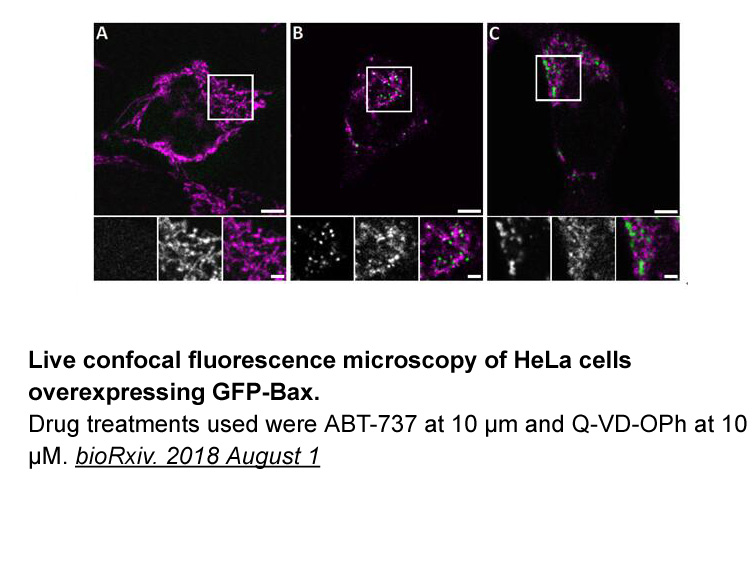
Natural products are a diverse and interesting source for the discovery of new lead structures (Newman and Cragg, 2016). After a successful era of natural product research, many pharmaceutical companies stopped their investment in natural product-driven drug discovery in the 1990s. The reason behind
-
p38 inhibitor br Acknowledgements This study was supported b
2021-12-06
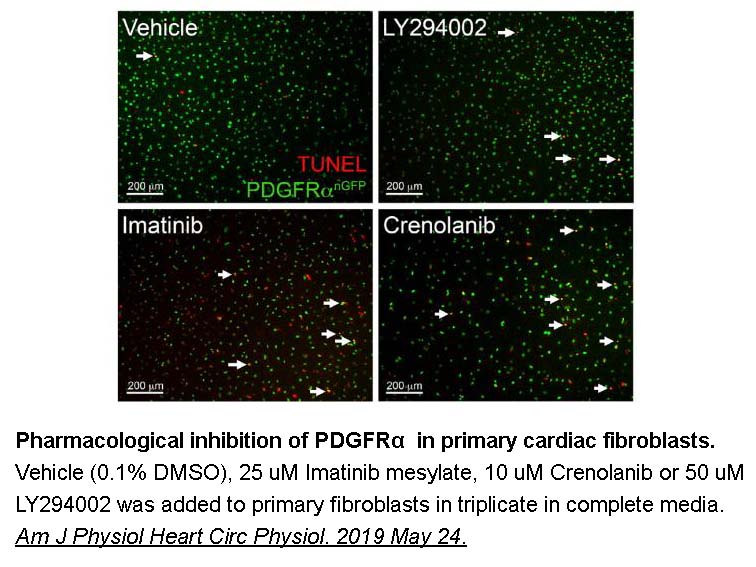
Acknowledgements This study was supported by National Institutes of Health grant (R01GM104037), VA grant (BX002741), and Rutgers Busch grant. Nuclear receptor FXR is the master regulator of bile acids homeostasis The farnesoid X receptor (FXR) belongs to a family of proteins known as nuclear
-
MK-3207 HCl Preliminary explorations focused on the linker
2021-12-06
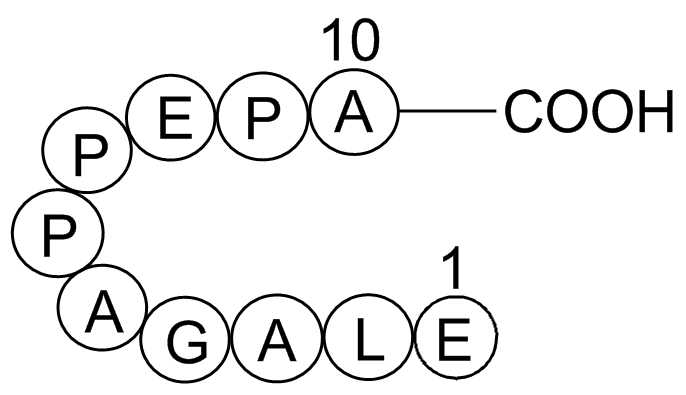
Preliminary explorations focused on the linker of 2 (Table 1). Lilly reported that the methylene between the phenyl and the piperidyl group was metabolically susceptible to N-dealkylation, so we replaced the methylene with a carbonyl moiety to block the metabolic site [23,48] (Fig. 2). In addition,
-
EZH affects cancer by regulating the expression
2021-12-06

EZH2 affects cancer by regulating the expression of target genes [22]. EZH2, together with SUZ12 and EED, forms the polycomb repressive complex 2 (PRC2), which catalyzes trimethylation of histone H3 lysine 27 (H3K27me3) [23,24]. PRC2 may recruit other polycomb complexes, DNA methyltransferases, and
-
br Dual acting HR antagonists While the present
2021-12-06

Dual-acting HR antagonists While the present medicinal chemistry efforts are mainly focused on selective ligands targeting GPCRs, and particularly on H1R, H3R and H4R selective antagonists/agonists, there were and, also, still are several efforts to develop dual acting H1R/H2R, H1R/H3R and H3R/H4
-
br Discussion The aim of the present study was to
2021-12-06
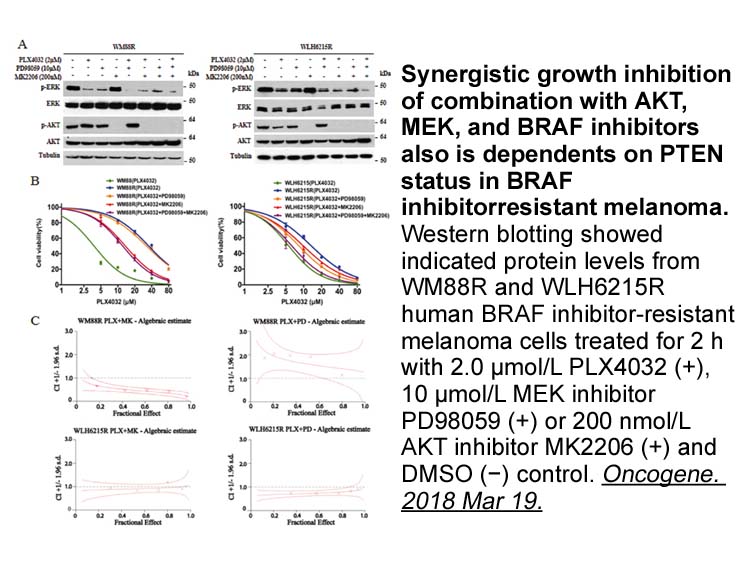
Discussion The aim of the present study was to extend the list of ASIC ligands and to check if histamine receptors ligands can also affect ASICs. The novel finding is that not only histamine but also thioperamide, 1-metylhistamine and Nα-methylhistamine are active ASIC1a potentiators, while other
-
The LOD and linear range of the cobas
2021-12-06
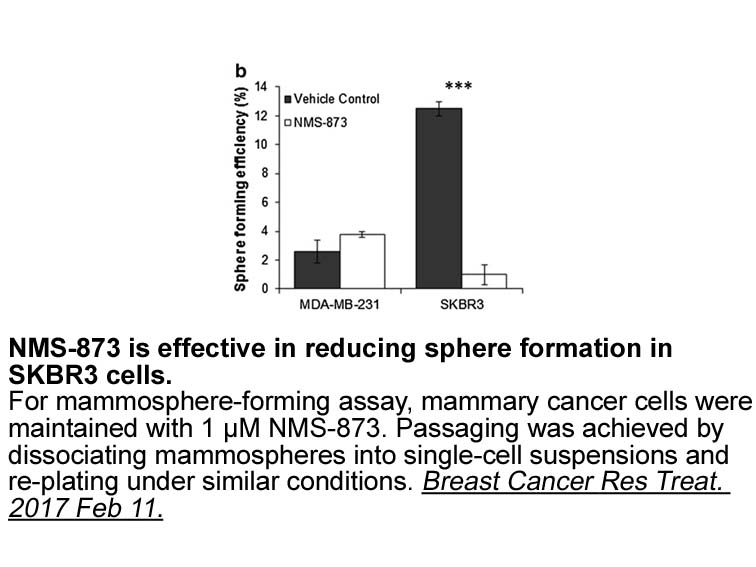
The LOD and linear range of the cobas HBV test using the cobas 4800 system in this study were similar to those provided by the manufacturer. We found a strong correlation between the results of the cobas HBV test and CAP/CTM v2.0 systems; however, 7.7% of samples yielded detectable results only with
-
Migratory properties of Treg are
2021-12-06
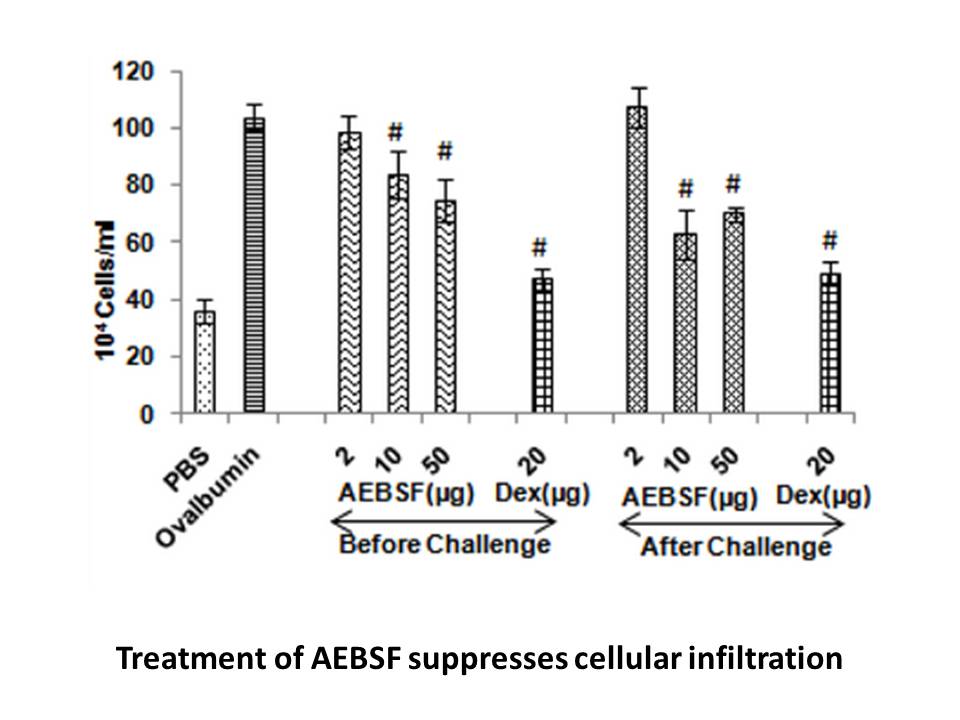
Migratory properties of Treg are extremely important for the potential in vivo application. Therefore, the observed expression of CXCR3 on almost all obtained insulin-specific Treg is crucial for directing SKF 81297 hydrobromide sale into the inflamed tissue (in this case pancreatic islets). CXCR3 r
16494 records 576/1100 page Previous Next First page 上5页 576577578579580 下5页 Last page