Archives
- 2026-09
- 2026-08
- 2026-07
- 2026-06
- 2026-05
- 2026-04
- 2026-03
- 2026-02
- 2026-01
- 2025-12
- 2025-11
- 2025-10
- 2025-09
- 2025-03
- 2025-02
- 2025-01
- 2024-12
- 2024-11
- 2024-10
- 2024-09
- 2024-08
- 2024-07
- 2024-06
- 2024-05
- 2024-04
- 2024-03
- 2024-02
- 2024-01
- 2023-12
- 2023-11
- 2023-10
- 2023-09
- 2023-08
- 2023-07
- 2023-06
- 2023-05
- 2023-04
- 2023-03
- 2023-02
- 2023-01
- 2022-12
- 2022-11
- 2022-10
- 2022-09
- 2022-08
- 2022-07
- 2022-06
- 2022-05
- 2022-04
- 2022-03
- 2022-02
- 2022-01
-
Numerous studies have shown that PUFA incorporation into
2024-11-19
Numerous studies have shown that ω-3 PUFA incorporation into the lipid raft can affect the distribution and function of protein in the lipid raft by altering raft composition [25], [26], [27]. For example, DHA treatment excluded phospholipase D (PLD) from lipid raft toward non-lipid raft, resulting
-
Phospholipases cleave membrane phospholipids from inflammato
2024-11-19
Phospholipases cleave membrane phospholipids from inflammatory cells, activated platelets, erythrocytes, adipocytes and cancer M344 (Aoki et al., 2008, Neidlinger et al., 2006). Several reports have analysed the role of LPA and its receptors in the pathogenesis of RA. Zhao et al. reported that LPA
-
The activity of an enzyme may be regulated
2024-11-19
The activity of an enzyme may be regulated allosterically as well as transcriptionally. We have consistently studied REMS deprivation (REMSD) associated NA mediated allosteric regulation of Na-K ATPase activity in neurons and glia in vivo and in vitro (Amar and Mallick, 2015; Amar et al., 2016; Bask
-
Thymoquinone TQ is the major active compound derived from
2024-11-19
Thymoquinone (TQ) is the major active Nutlin-3 derived from Nigella sativa (Woo et al., 2012). Recent animal studies support the potential of TQ for the treatment of a variety of inflammatory disorders like inflammatory bowel disease (IBD), RA, and osteoarthritis (OA) (Salem, 2005, Badr et al., 201
-
Animal fat appears to increase C perfringens counts compared
2024-11-19
Animal fat appears to increase C. perfringens counts compared with vegetable oil, so there may indeed be some advantage to vegetable diets at least in terms of fat sources (Knarreborg et al., 2002). Small grains such as wheat, rye, oats, and barley, with high levels of non-starch polysaccharides are
-
br Acknowledgements This work was supported by Programme Gra
2024-11-18
Acknowledgements This work was supported by Programme Grants from the MRC and the Wellcome Trust (SGC-C and MF). CB was in receipt of a Marie Curie Intra-European Fellowship during part of this work. We thank past and present members of our group for numerous valuable discussions throughout these
-
The complex role of the human intestinal
2024-11-18
The complex role of the human intestinal microbiota is emerging and its functions has been elucidated when considering energy metabolism, nutrient digestion, vitamin synthesis, epithelial defenses and immune responses [34]. The colon is responsible for salvage of energy and possibly nitrogen from ca
-
Analyses of brain CSCs isolated from pediatric
2024-11-18

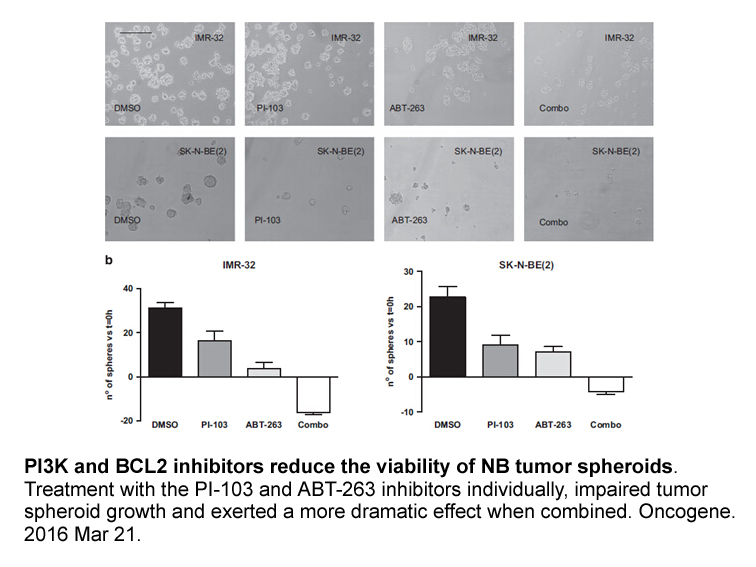
Analyses of RO 4929097 sale CSCs isolated from 24 pediatric and six adult brain tumors detected ALDH levels proportional to tumor type and aggressiveness. ALDH-expressing cells (ALDH+) formed spheroids while ALDH1 pharmacological inhibition by a combination of DEAB and RA decreased significantly sp
-
Di ethylhexyl phthalate DEHP is one of the most
2024-11-18
Di-(2-ethylhexyl) phthalate (DEHP) is one of the most widely used environmental chemicals in the production of polyvinyl chloride. After transcription factor into human body, DEHP can be converted to the metabolite mono-ethylhexyl phthalate (MEHP), which has higher toxicity than DEHP and can influe
-
br Acknowledgments This work was supported
2024-11-18
Acknowledgments This work was supported by Grant-in-aid for Scientific Research (S) (20229008) (to T.K.), Targeted Proteins Research Program (to T.K.), the Global COE Research Program (to T.K.) and Translational Systems Biology and Medicine Initiative (to T.K.) from the Ministry of Education, Cul
-
br Expression of ADK in the normal
2024-11-18

Expression of ADK in the normal brain In adult brain, ADK is primarily expressed in astrocytes. Immunocytochemical analysis of adult rat and mouse hexokinase inhibition revealed predominant astrocytic expression throughout the hippocampus and cortex. Two isoforms of ADK have been identified in m
-
br Acknowledgments br Introduction Hypospadias is a common
2024-11-18

Acknowledgments Introduction Hypospadias is a common congenital malformation in males, in which the urethral orifice is found on the ventral side of the penis as a result of incomplete fusion of urethral folds. The mean prevalence in per 10,000 live births from 1910 to 2013 were: Europe 19.9,
-
Drug resistance development often involves structurally un r
2024-11-18
Drug resistance development often involves structurally un-related drugs and, specifically both conventional and targeted agents. IGROV-1/Pt1 porcn are characterized by resistance to cisplatin and reduced sensitivity to inhibitors of EGF-R and MEK, the up-stream activator of ERK1/2, associated with
-
The authors thank Dr J Aoki University
2024-11-18
The authors thank Dr. J. Aoki, University of Tokyo, for kindly providing 5E5-ATX antibody. This work was supported by a grant from the Deutsche Forschungsgemeinschaft to A.E.K. (KR4391/1-1), research grants “Primary sclerosing cholangitis” from the Deutsche Crohn-Colitis-Vereinigung and the Norwegia
-
As summarized in Fig autophagy up regulation in terms of
2024-11-18

As summarized in Fig. 1, autophagy up-regulation in terms of Beclin 1 induction, increase of LC3 II and p62 down-regulation were observed between 24 and 72 h of cell incubation, this coinciding with the end of the period 27-OH caused slight reduction of cell viability and proliferation as previously
8474 records 81/565 page Previous Next First page 上5页 8182838485 下5页 Last page